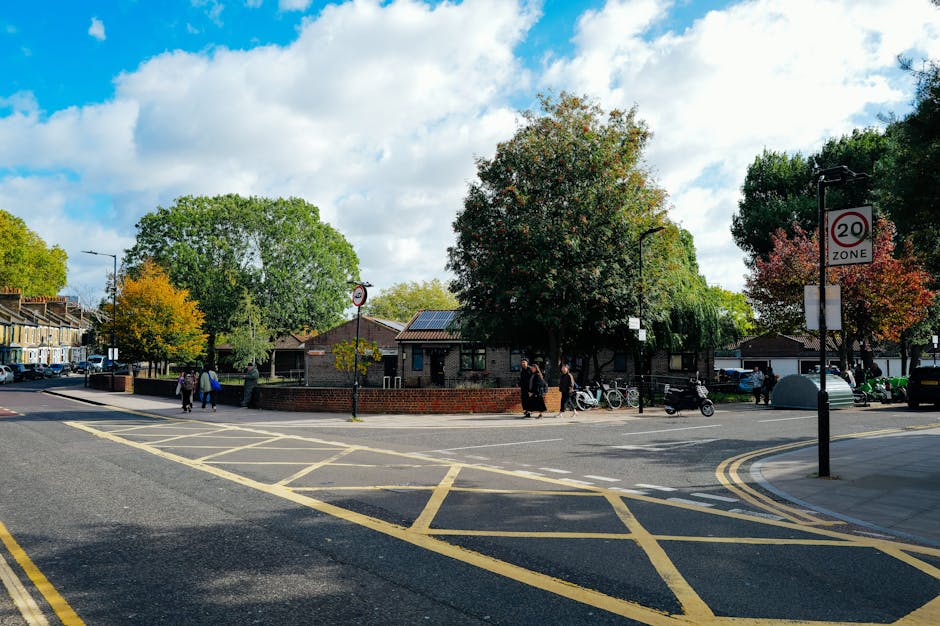
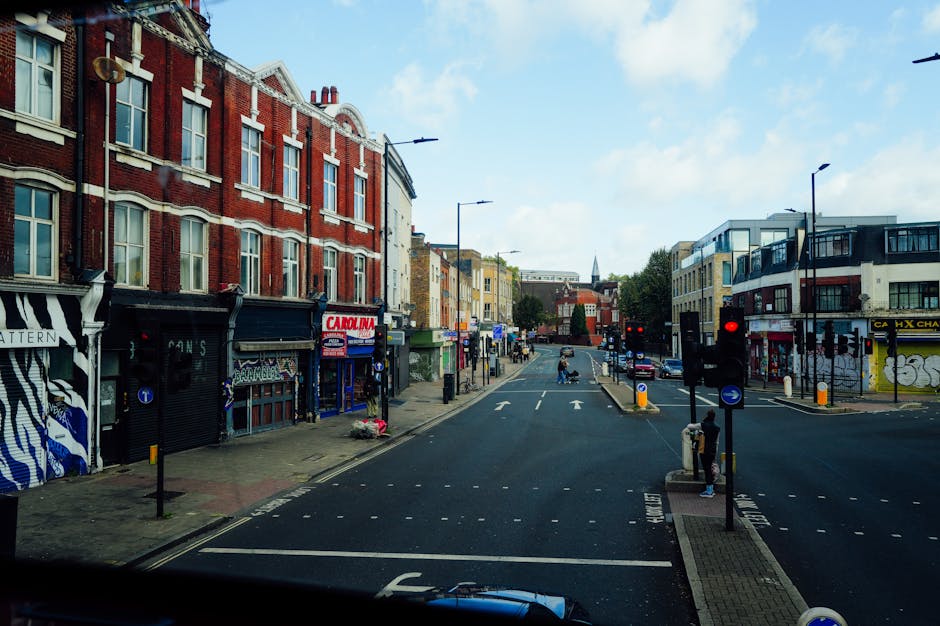
Moving guide for Seven Sisters Road customers in Finsbury Park
If you are planning a move along Seven Sisters Road in Finsbury Park, you probably already know this is not the kind of job that benefits from guesswork. Traffic builds quickly, parking can be tight, stairwells can be awkward, and a "quick move" can turn into a long afternoon if the plan is not realistic. This moving guide for Seven Sisters Road customers in Finsbury Park is designed to help you think clearly, prepare properly, and choose the right type of moving support for your situation. Whether you are leaving a flat, moving a family home, relocating a small office, or just shifting a few bulky items, the details matter.
To be fair, moving is rarely just about boxes. It is about timing, access, safety, cost, and keeping your day from becoming a mess. Let's break it down in a way that is practical and calm.
Table of Contents
- Why this moving guide matters
- How the moving process works
- Key benefits and practical advantages
- Who this guide is for
- Step-by-step guidance
- Expert tips for better results
- Common mistakes to avoid
- Tools, resources and recommendations
- Law, compliance, standards and best practice
- Options and comparison table
- Case study or real-world example
- Practical checklist
- Conclusion
- Frequently asked questions
Why Moving guide for Seven Sisters Road customers in Finsbury Park Matters
Seven Sisters Road sits in one of those parts of North London where a move can be straightforward in theory and slightly chaotic in practice. The road itself is busy, the surrounding streets vary a lot in width and parking access, and building layouts range from older conversions to modern flats with lift access. That means the same move can be easy for one household and awkward for another, even if they are only a few doors apart.
A good guide matters because it helps you see the move before it happens. Not in a dramatic way. Just in a sensible, "what will this actually look like?" way. You begin to spot the pressure points early: where the van will stop, how many trips are likely, whether you need help with packing, and whether you are better off using a full removal team or a smaller man and van service.
For Seven Sisters Road customers in Finsbury Park, planning is especially useful if you are:
- moving out of a flat with limited access
- working around resident-only parking or loading restrictions
- coordinating movers with a completion time or tenancy handover
- handling furniture that is heavy, awkward, or fragile
- trying to reduce time off work or avoid multiple journeys
It also helps you compare services properly. A lot of people search for removal help without first deciding whether they need full removals, a flexible removal van, or something more specialist such as piano removals or student removals. The wrong choice can mean wasted money, wasted time, and a lot of stress you did not need.
Expert summary: If your move involves tight access, a fixed deadline, or large furniture, the biggest win is not speed alone. It is choosing the right level of help early, then preparing the property so the team can work safely and efficiently.
How Moving guide for Seven Sisters Road customers in Finsbury Park Works
The moving process is usually simpler when you think of it in stages. First comes the assessment stage, then the packing stage, then the loading stage, followed by transport and unloading. Simple on paper. In real life, each stage needs decisions.
1. Assess the property and the access
Start with the basics. Is it a basement flat, a top-floor walk-up, or a house with direct access? Is there space for a van to stop nearby? Can bulky items fit through the hall, stairwell, or lift? This is the kind of detail that tells you whether you need more hands, more time, or more packing support.
2. Match the service to the size of the move
A one-bedroom flat and a three-bedroom family home are not the same kind of job, even if both involve the same road. Smaller moves may suit a man with a van approach. Bigger or more complex jobs may call for house removals or a wider removal team. For business moves, commercial moves or office removals are usually the right fit.
3. Decide how much packing support you need
Some customers want to do nearly everything themselves. Others would rather hand over the packaging side completely. If you are short on time, packing and boxes support can remove a lot of last-minute pressure. If you want the whole thing handled neatly, packing and unpacking services can make a surprisingly big difference, especially when you arrive at the new place and everything is already in sensible order.
4. Confirm timing, access and route
In Finsbury Park, timing matters. Morning and evening traffic can change the whole feel of the day. A move that begins a bit later than planned can ripple through the schedule. For that reason, it is sensible to agree arrival windows clearly, check any building rules, and make sure the team knows where the best loading point is.
5. Carry out the move with a simple plan
Once the van arrives, the best moves follow a sequence: bulky items first, boxes grouped by room, fragile items kept apart, and a final check of cupboards, loft spaces, under-bed storage, and behind doors. It sounds obvious, but you would be amazed how often small overlooked items become the reason someone has to go back.
Key Benefits and Practical Advantages
A clear moving guide is not just about avoiding hassle. It helps you make better decisions and often saves money too, though not always in the obvious way.
- Fewer delays: If you know the access, parking, and loading issues in advance, there are fewer surprises on the day.
- Lower risk of damage: Good planning protects doors, banisters, floors, and furniture edges. That is where damage often happens, quietly and quickly.
- Better value: Choosing the right moving service means you are not overpaying for capacity you do not need.
- Less physical strain: Heavy lifting is one of those jobs that feels manageable until it suddenly is not.
- More control: When boxes are labelled and the plan is clear, the move feels calmer, even if the day is busy.
There is also a mental benefit that people sometimes underestimate. A proper move plan reduces that "I'm forgetting something" feeling. You know the one. It tends to show up the night before, usually when you are standing in the kitchen looking at two open bags and a kettle you have somehow not packed.
If sustainability matters to you, it is worth checking whether your move involves items for reuse, recycling or disposal. Some customers combine moving with a clear-out, using furniture removals or even furniture pick up for bulky items they do not want to carry into the new place. It keeps the move lighter. Literally.
Who This Is For and When It Makes Sense
This guide is useful for a wide mix of Seven Sisters Road customers in Finsbury Park, but it is especially relevant if your move has a few extra moving parts. Pun intended, sadly unavoidable.
Home movers
If you are moving from a studio, a shared flat, a maisonette, or a family house, the main question is scale. A smaller load may suit a flexible vehicle and a couple of helpers. A larger house move may benefit from a more structured team, especially if you are dealing with multiple bedrooms, garden items, or awkward furniture.
Flat tenants and leaseholders
Flat moves are often the trickiest because of access. Narrow staircases, tight corners, lift bookings, and neighbours who are trying to get out at the same time can all slow things down. In these cases, flat removals are usually the most practical starting point.
Students
Students moving between term-time homes, halls, or shared accommodation usually want speed and simplicity. There is often a small volume of belongings, but the timing can be awkward, especially around the end of term. That is where student removals can be a neat fit.
Business and office customers
If you are moving a workspace, you need to think differently. Desks, monitors, files, and IT equipment usually require careful sequencing so people can get back to work quickly. For that, office relocation services are the obvious route.
Customers with specialist items
Some moves need extra care rather than extra volume. A piano, for example, is not just another heavy object. It needs handling that reflects both its weight and its sensitivity. The same idea applies to antiques, glass furniture, and high-value equipment.
Step-by-Step Guidance
Here is a straightforward way to organise a move from Seven Sisters Road without turning your week upside down.
- List everything that is moving. Walk through each room and write down the main items. Include hidden storage spots too. Under beds, cupboards, loft corners, that sort of thing.
- Decide what should be kept, sold, donated, or removed. Fewer items usually means a cleaner move. It also means less unpacking, which is no small gift.
- Measure key furniture and tight spaces. Check door widths, stair turns, and lift sizes if you have them. One awkward wardrobe can change the whole plan.
- Book the right moving support. A smaller job may suit man with van support. A larger or more complex move may need a broader removal services setup.
- Gather packing materials early. Strong boxes, tape, labels, bubble wrap, and dust sheets are basic but genuinely useful.
- Label by room and priority. If you want the essentials first, mark them clearly. Think kettle, bedding, chargers, basic cookware.
- Confirm access arrangements. Make sure someone can let the team in, and that any necessary permissions or building rules are known in advance.
- Prepare a final sweep. Check every room, hallway, cupboard, loft, and storage space before the van leaves. This final walk-through catches the annoying little things.
- Unpack the essentials first. Start with items that help you function: bedding, toiletries, kitchen basics, and work equipment.
A useful habit is to create one box that stays with you personally. Put passports, keys, chargers, medication, important documents, and a change of clothes in it. It sounds basic, but it saves people all the time.
Expert Tips for Better Results
After enough moves, a few patterns become very clear. The people who have the easiest day are not always the ones with the smallest homes. They are the ones who think ahead just enough.
- Book early if you can. Good time slots fill quickly, especially at month-end and around busy moving periods.
- Keep an "open first" bag. Put your kettle, toilet roll, phone charger, snacks, and basic cleaning items in one place. You will thank yourself later.
- Use consistent labels. If one box says "kitchen" and another says "misc," you have created a tiny mystery for your future self.
- Take photos of cable setups. This is especially useful for TVs, desks, and workstations. One quick photo can save twenty minutes of swearing at a bundle of wires.
- Protect floors and shared areas. In flats and converted buildings, this is just good manners and often a building expectation.
- Clear the route before loading starts. Shoes, rugs, loose items, and small furniture can all slow things down.
- Ask for help where it makes sense. A slightly larger team or better vehicle choice can be cheaper than a second trip or a damaged item.
There is also a practical mindset that helps: do not try to make the move feel perfect. Aim for controlled. A move with a bit of breathing room is usually a good move.
Common Mistakes to Avoid
Most moving problems are preventable. Not all, of course. There is always one box that behaves strangely. But the common headaches are surprisingly predictable.
Underestimating the load
People often count furniture and forget everything else. The books, the kitchenware, the clothes rails, the lamps, the "just a few bits" that become a full room's worth of items. If you want a realistic plan, count volume, not only furniture.
Leaving packing too late
Packing the night before is one of those heroic ideas that sounds efficient until 11:45 pm arrives and the tape has vanished. Start earlier than you think you need to.
Ignoring access issues
A move can look simple on paper and become slow because of parking, staircases, or building rules. If the van cannot stop close to the entrance, everything takes longer.
Not separating fragile items
Fragile things need their own category. They should not be mixed in with books, tools, or random cupboard bits. It is a small thing, but it really matters.
Forgetting the disposal plan
Old furniture, broken items, and surplus clutter often end up in the wrong pile if you do not decide their fate in advance. For larger unwanted pieces, consider whether furniture removals is more suitable than trying to shift everything yourself.
Tools, Resources and Recommendations
You do not need a huge toolkit for a successful move. You need the right basics and a bit of organisation.
| Item | Why it helps | Practical note |
|---|---|---|
| Strong boxes | Protects items and makes stacking easier | Use similar sizes where possible |
| Packing tape | Keeps boxes secure | Buy more than you think you need |
| Labels or marker pens | Makes unpacking faster | Mark room and contents |
| Dust sheets or blankets | Helps protect furniture and floors | Useful for shared hallways too |
| Tools bag | For bed frames, shelves, and fixtures | Keep it with you, not in the van |
For larger jobs, the vehicle choice matters just as much as the boxes. A compact load may work well with a removal van, while a more demanding move may justify a moving truck or even removal truck hire. The right vehicle is not about looking impressive. It is about avoiding multiple trips and keeping the job efficient.
If your moving date is uncertain, or you need to bridge the gap between leaving one place and entering another, storage can be a sensible short-term solution. That is particularly helpful for customers who are waiting on keys, works to finish, or a chain that is a little unpredictable. Happens more than people like to admit.
Law, Compliance, Standards or Best Practice
For most customers, the main compliance concern is not legal complexity. It is safe, responsible moving practice. In the UK, customers generally expect movers to operate with appropriate care, suitable insurance, and sensible handling of goods and premises. You do not need to become an expert in transport law to ask the right questions.
A trustworthy moving arrangement should give you confidence on a few basics:
- Insurance and safety awareness: Ask how items are handled and whether the business has appropriate protection in place. A good starting point is the company's insurance and safety information.
- Clear terms: Know what is included, what is excluded, and how timing or access changes are handled. The terms and conditions matter more than people think.
- Health and safety discipline: Lifting technique, route clearing, and safe loading all reduce risk. You can also review the company's health and safety policy if you want reassurance.
- Payment security: Payment should be handled clearly and securely. That sort of plain housekeeping builds trust.
- Responsible waste handling: If items are being disposed of, reused, or recycled, it is good practice to use a service that takes sustainability seriously. See the company's recycling and sustainability approach.
If you are comparing moving providers, it is also reasonable to look at whether the business presents itself clearly, explains its services honestly, and offers a straightforward way to request pricing. If you need clarity on that side, the pricing and quotes page is the place to start.
Options, Methods, or Comparison Table
Different moves call for different methods. The right option depends on volume, access, urgency, and how much help you want.
| Option | Best for | Pros | Possible drawback |
|---|---|---|---|
| Man and van | Small to medium loads | Flexible, efficient, often cost-effective | May not suit very large homes |
| Full removals | Households with more furniture or time pressure | More support, easier coordination | May feel more than you need for tiny moves |
| Removal van | Local flat moves and moderate loads | Good balance of size and manoeuvrability | Can require careful packing to maximise space |
| Moving truck | Larger loads and bigger furniture sets | More capacity, fewer trips | Needs better access planning |
| Same-day removals | Urgent or last-minute situations | Fast response, less waiting | Less ideal for highly complex jobs |
Sometimes the answer is not "bigger is better." Sometimes the answer is "just enough, but arranged properly." That is why experienced customers often choose a moderate vehicle with a careful loading plan rather than overcommitting to the largest option available.
Case Study or Real-World Example
Here is a realistic scenario. A couple living off Seven Sisters Road in a second-floor flat needed to move into a nearby home in Finsbury Park. They had a sofa, bed, dining table, a small wardrobe, several boxes of books, and a few awkward plants they were oddly attached to. Nothing extreme. But the staircase in the flat was narrow, the parking situation was uncertain, and they both had work the next day.
Instead of trying to do everything at once, they split the job into manageable parts. They packed non-essential items a few days early, labelled boxes by room, and kept one essentials bag separate. They chose a vehicle size that matched the load rather than guessing. They also checked access at both addresses, which saved time on the day because the team knew where to stop and which items needed careful handling first.
The result was not magical. Just calm. The move still involved noise, lifting, and a bit of back-and-forth, because that is what moving is. But it was tidy, on schedule, and without the unpleasant surprise of realizing the wardrobe would not fit through the hallway. That alone can save a lot of drama.
If their move had been larger, they might have needed house removalists or even a broader package of removals. The key lesson is simple: the right service depends on the job in front of you, not the one you hope it turns into.
Practical Checklist
Use this checklist to keep the move steady and sensible.
- Walk through every room and make a written item list
- Decide what to keep, donate, store, or remove
- Measure furniture and key access points
- Confirm parking and loading access at both addresses
- Choose the most suitable moving service
- Gather boxes, tape, labels, and protective materials
- Pack non-essential items first
- Set aside documents, chargers, keys, and medication
- Label boxes clearly by room and priority
- Protect fragile items separately
- Prepare a final sweep of cupboards and storage spaces
- Keep an essentials bag with you
- Review any safety, insurance, or terms information you want to understand better
- Confirm arrival times and contact details before moving day
That is the backbone of a low-stress move. Not glamorous, but it works.
Get a free quote today and see how much you can save.
Conclusion
Moving along Seven Sisters Road in Finsbury Park does not have to feel overwhelming. Once you look at it properly, the task becomes a series of manageable choices: what to take, what to pack, what to move, and what kind of help makes the day easier. The people who have the smoothest experience are usually not the ones who rush hardest. They are the ones who prepare a little earlier, choose a sensible service, and keep the practical details under control.
If you remember nothing else, remember this: plan the access, match the vehicle to the load, and keep your essentials separate. That alone can save you a world of hassle. And when the last box is inside, the kettle is on, and the new place starts to feel like yours, the effort suddenly makes sense. It always does, in the end.
Frequently Asked Questions
What is the best type of moving service for a Seven Sisters Road flat?
For many flat moves, the best choice is a service that balances capacity with manoeuvrability. If you have a smaller load, a flexible man and van setup can work well. If the flat has awkward access, more furniture, or a tight deadline, a fuller removal service may be better.
How far in advance should I book a move in Finsbury Park?
If you can book early, do it. That gives you better choice over timing and helps reduce stress. Busy periods, month-end dates, and weekend slots tend to fill quickly, so leaving it too late can narrow your options.
Do I need packing help or can I do it myself?
You can absolutely do it yourself if you have the time and the right materials. Packing help makes more sense if you are short on time, moving fragile items, or just want the day to feel less frantic. For many people, a mix of both is the sweet spot.
What should I do if parking is tight on Seven Sisters Road?
Check the loading arrangements in advance and make sure the mover knows where access is easiest. If parking is tight, allow extra time and avoid treating the move as if the van can simply stop anywhere. It rarely works out that neatly.
Is same-day moving suitable for urgent local jobs?
Yes, sometimes. Same-day removals can be useful when plans change quickly or a deadline appears sooner than expected. They are best for moves that are relatively straightforward, rather than large or highly complex jobs.
How do I move bulky furniture safely?
Measure it first, clear the route, protect walls and floors, and make sure enough people are available to lift it properly. If something is especially heavy or delicate, such as a piano, specialist handling is the safer option.
Can I store items if my new place is not ready yet?
Yes. Short-term storage is often useful when there is a gap between moving out and moving in. It can take pressure off the whole day and help you avoid forced decisions about what to keep nearby.
What is the difference between removals and a man and van service?
A man and van service is usually better for smaller to medium moves and simple transport needs. Removals tend to suit larger, more structured jobs where you want broader support with loading, transport, and sometimes packing.
Are office moves handled differently from home moves?
Definitely. Office moves need careful coordination around equipment, files, and downtime. The aim is not just to move items, but to keep disruption low and get people working again quickly. That is why office relocation services are set up differently.
What should be in my essentials box?
Put in the items you will need immediately: keys, phone charger, documents, toiletries, a change of clothes, medication, kettle basics, and maybe snacks. Small thing, big difference.
How can I reduce moving costs without cutting corners?
Declutter before moving, pack non-breakables yourself if you can, label everything clearly, and choose the service level that matches your actual load. Avoid booking a vehicle or team that is far bigger than you need just for reassurance.
Where can I find information about trust, safety, and payment before booking?
Look for clear pages covering insurance and safety, payment and security, and the business's general about us information. That helps you judge how the company works and what standards it follows.
What if I only need one or two bulky items moved?
If you only have a sofa, bed, wardrobe, or similar item, a smaller service may be enough. In some cases, furniture removals or furniture pick up support is the most practical option, especially if you do not need a full house move.
How do I know if I need full removals instead of a van?
Ask yourself how much you are moving, how difficult access is, and whether you need packing or loading help. If the answer is "quite a lot" or "it is a bit tricky," full removals may save you time and reduce risk. If the answer is "not much, and access is easy," a van-based solution may be enough.